
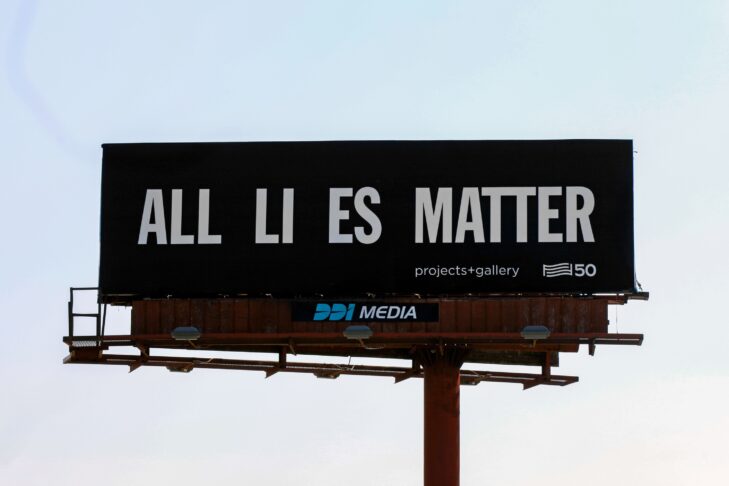
Fact vs. Fiction: A Guide to Spotting Misinformation
This guide walks you through the why, how, and what to do when faced with questionable information.
1. Why Misinformation Works
-
-
It feels familiar. If we have seen or heard something before—even if it was false—we’re more likely to believe it.
-
It triggers emotions. Fear, anger, or surprise can override careful thinking.
-
It confirms what we want to believe. Our brains love shortcuts, and confirmation bias makes fiction feel like fact.
-
2. Questions to Ask Before You Believe or Share
-
-
Who is the source? Check the “About” section of the site or account. Reliable sources are transparent.
-
What evidence is provided? Are there credible studies, official statements, or multiple outlets reporting the same thing?
-
Is it recent? Old news stories sometimes resurface as if they are breaking news.
-
Does it sound too extreme? Misinformation often exaggerates to spark clicks and shares.
-
Can it be verified? Use fact-checking sites like Snopes, FactCheck.org, Reuters, or PolitiFact.
-
3. Everyday Habits to Stay Informed
-
-
Diversify your news sources. Do not rely on just one outlet or platform.
-
Read past the headline. Many false claims spread because people only skim titles.
-
Pause before sharing. A few seconds of checking can stop falsehoods from spreading.
-
Talk about it. If you see misinformation, gently share correct information with friends or family.
-
4. Why It Matters…Unchecked misinformation can:
-
- Influence health and safety decisions.
-
Undermine trust in credible journalism.
-
Divide communities and weaken democracy.
By building fact-checking skills, you are protecting yourself and the people around you.
Final Takeaway
Separating fact from fiction does not require advanced training—it just takes curiosity, a little skepticism and a willingness to pause. By practicing these habits, you become a stronger, more informed voice in your community.
Blog by The Feeney Legacy Project (FLP) educating the importance of saving lives:
- Call 911. Know Hands Only CPR
- Know the Caller is safe from the Law
- Know the Importance of Organ Donation
- Be Someone’s Second Chance.
Please help FLP cover Atlanta with Lifesaving Billboards by attending the FLP Online Auction Nov 1-16 or donate–YOU will save lives. Check the auction out now. Unusual, fun gifts, travels, foods, jewels and SO much more. Here is a taste of the auction: A weekend in a Baby Barndominium in Texas Wine Country; A stay at the Wee Casa Tiny House Resort; Take a safari in Georgia; Get a Bobblehead of YOU–or that special friend. Keep an eye on the bidding–final bids Nov. 17 at 8pm.
This post has been contributed by a third party. The opinions, facts and any media content are presented solely by the author, and Atlanta Jewish Connector assumes no responsibility for them. Want to add your voice to the conversation? Publish your own post here.