
Don’t Be a Bystander. Be an Upstander. Take Action.
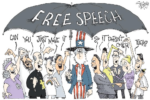
At the Feeney Legacy Project, we believe being an Upstander means more than taking action in an emergency. It also means being thoughtful about the information we share and the impact it can have on others.
So, let’s review a skill we all need: fact-checking.
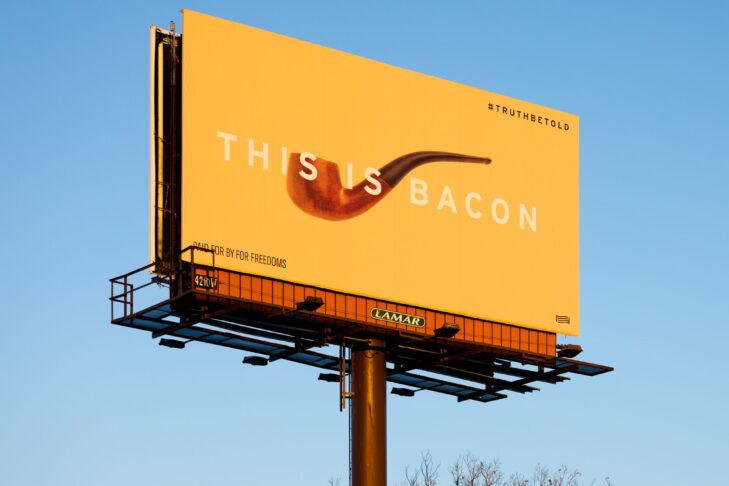
Why Is Misinformation So Believable?
False information can be convincing because:
- It feels familiar. When we see or hear something repeatedly, we may start to believe it, even when it isn’t true.
- It triggers emotions. Fear, anger, and surprise can make us react before we stop to think.
- It confirms what we already believe. We naturally pay more attention to information that supports what we think is true.
Before You Believe It or Share It, PAUSE
Ask yourself a few simple questions:
WHO is the source?
Is the person, organization, or website trustworthy and transparent?
WHAT evidence is provided?
Are there credible sources, studies, official statements, or multiple reputable news organizations reporting the same information?
WHEN was it published?
Old stories and outdated information can resurface and look like breaking news.
DOES it sound too extreme?
Sensational headlines and shocking claims are often designed to get clicks and shares.
CAN you verify it?
Take a few extra seconds to check reliable fact-checking and news sources such as Snopes, FactCheck.org, Reuters, or PolitiFact.
Make Fact-Checking a Habit
You don’t have to become an expert. Start with a few simple habits:
- Read beyond the headline. Headlines don’t always tell the whole story.
- Check more than one source. Don’t rely on a single post or platform.
- Pause before you share. A few seconds of checking can prevent misinformation from spreading.
- Ask questions. Being curious is a strength, not a weakness.
- Share accurate information. If someone shares something that’s incorrect, consider offering the facts respectfully.
Why Does It Matter?
Unchecked misinformation can affect the choices people make about their health, safety, finances, communities, and democracy. It can also undermine trust and create unnecessary fear and division.
That’s why fact-checking is more than a digital skill. It’s an everyday way to look out for one another.
Be an Upstander. Take a Pause. Check the Facts.
Being an Upstander means taking action when action matters.
Sometimes that means calling 911.
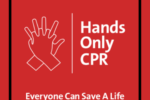
Sometimes it means performing Hands-Only CPR.
And sometimes it simply means stopping before you hit “share.”
Separating fact from fiction doesn’t require advanced training. It takes curiosity, a little skepticism, and a willingness to pause.
Don’t be a bystander. Be an Upstander. Take Action.
This post has been contributed by a third party. The opinions, facts and any media content are presented solely by the author, and Atlanta Jewish Connector assumes no responsibility for them. Want to add your voice to the conversation? Publish your own post here.