
The apology was sincere.
He knew it was sincere because he felt the regret almost immediately after the words left his mouth. The frustration had been building throughout the day, and when his son asked one question too many, he snapped. The look on the boy’s face lingered long after the conversation ended. That evening, he apologized and resolved to do better.
In Parshat Eikev, Moses reminds the people that “the L-rd your G-d… takes no bribe” (Deuteronomy 10:17).
Yet a difficult question remains. What happens when the same father loses his temper again a few weeks later? Was the earlier apology genuine? Did he truly mean it if he ultimately repeated the mistake?
Most of us know some version of that struggle. We resolve to be more patient, more disciplined, more attentive, more forgiving. For a time, we succeed. Then an old habit resurfaces, and we begin to wonder whether our earlier resolve was ever real at all.
The Torah’s answer is both surprising and deeply encouraging.
Divine justice cannot be purchased. No amount of good intentions can simply erase a wrong action. Yet Jewish tradition teaches that a sincere moment of repentance can accomplish something extraordinary. A brief moment of honest regret can outweigh years of poor choices and begin repairing damage that seemed impossible to undo.
How?
The Lubavitcher Rebbe, Rabbi Menachem Mendel Schneerson, offers a remarkable insight.
We often assume that repentance works because G-d decides to overlook our mistakes. But the Rebbe explains that something far deeper is taking place. Repentance is not merely about receiving forgiveness. It is about revealing the truth.
When a person sincerely regrets a misdeed, even if they later stumble again, that moment of regret is real. At that moment, they are expressing the deepest truth about themselves. The Almighty, who sees beyond appearances and into the soul itself, recognizes that sincerity.
The mistake is not our truest self. The regret is.
The lapse is not the deepest expression of who we are. The desire to do what is right is.
From a human perspective, repeated failure can make repentance seem hollow. If we return to the same mistake, we assume our earlier remorse must have been insincere. But the Creator sees more deeply than we do. He sees the part of us that genuinely longs for goodness, even when our actions do not yet consistently reflect it.
This does not excuse wrongdoing, nor does it remove our responsibility to change. A sincere apology is not a license to repeat the same behavior tomorrow. But it does remind us that spiritual growth is rarely a straight line. The soul often advances through a series of imperfect attempts, setbacks, and renewed beginnings.
Perhaps that is why we should never define ourselves solely by our failures. The moments that reveal who we truly are are not the moments when we fall short, but the moments when we recognize the gap between who we are and who we wish to become.
Every sincere effort matters. Every moment of clarity matters. Every attempt to begin again matters.
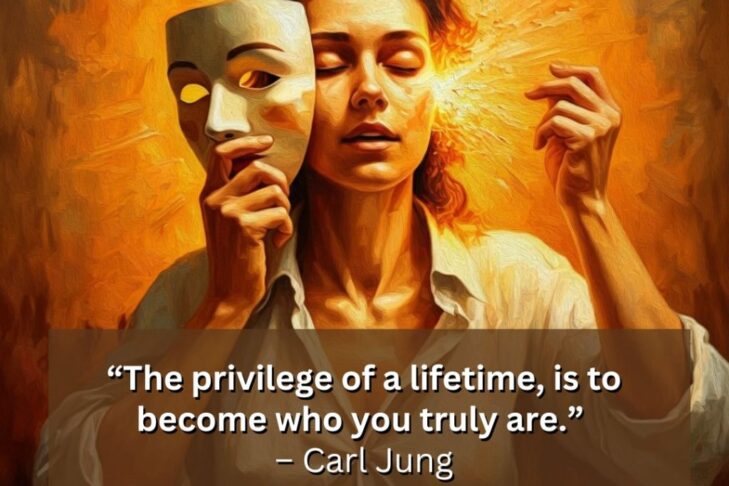
Because in those moments, we are not pretending to be better than we are.
We are becoming who we truly are.
I wish you a good week and Shabbat Shalom,
Rabbi Yonatan Hambourger
y@tasteoftorah.org
This post has been contributed by a third party. The opinions, facts and any media content are presented solely by the author, and Atlanta Jewish Connector assumes no responsibility for them. Want to add your voice to the conversation? Publish your own post here.